Return to Running Postpartum: Your 5-Check Readiness Guide
Returning to running after having a baby can feel exciting—and a little intimidating. You might feel ready mentally, but your body has been through immense changes. Pregnancy, labor, and postpartum recovery shift muscles, ligaments, and the pelvic floor in ways that make running a higher-impact activity than it might have been before.
It’s normal to experience symptoms like heaviness, leaking, or discomfort when trying to run too soon. The good news? With a thoughtful, evidence-informed approach, you can rebuild strength, stability, and confidence in your body before hitting the pavement.
This guide lays out five essential readiness checks to help you determine if your body is truly prepared to run postpartum. These checks focus on walking, impact tolerance, lower body strength, core control, and pelvic floor function. Think of them as tools to give your body options, (not rules or guarantees) so you can return to running safely, confidently, and symptom-free.
Check 1: Walk 60 Minutes Symptom-Free
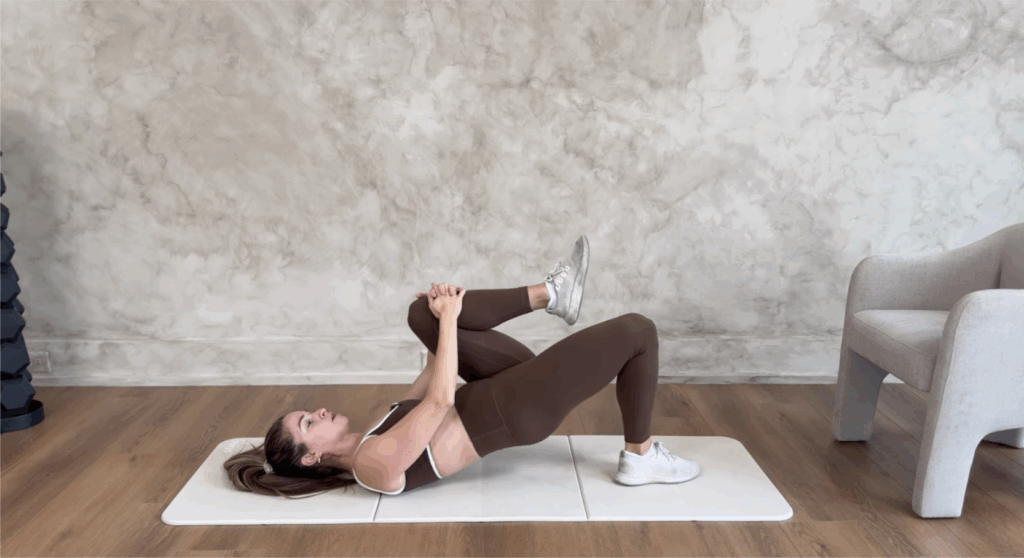
Goal: Walk briskly for 60 minutes without pain, heaviness, or leakage.
Walking might feel simple, but it’s a foundational test for postpartum running readiness. Your body should comfortably handle sustained upright movement before you add the repetitive impact of running. If you notice heaviness, leaking, or discomfort during a long walk, running is likely too soon.
Consider walking your neighborhood, a local track, or even a treadmill. Use this time to tune into your body, notice your alignment, and ensure your pelvic floor and core are engaging naturally. Walking without symptoms is your baseline.
If walking is uncomfortable, running will likely exacerbate issues.
Check 2: Impact Tolerance
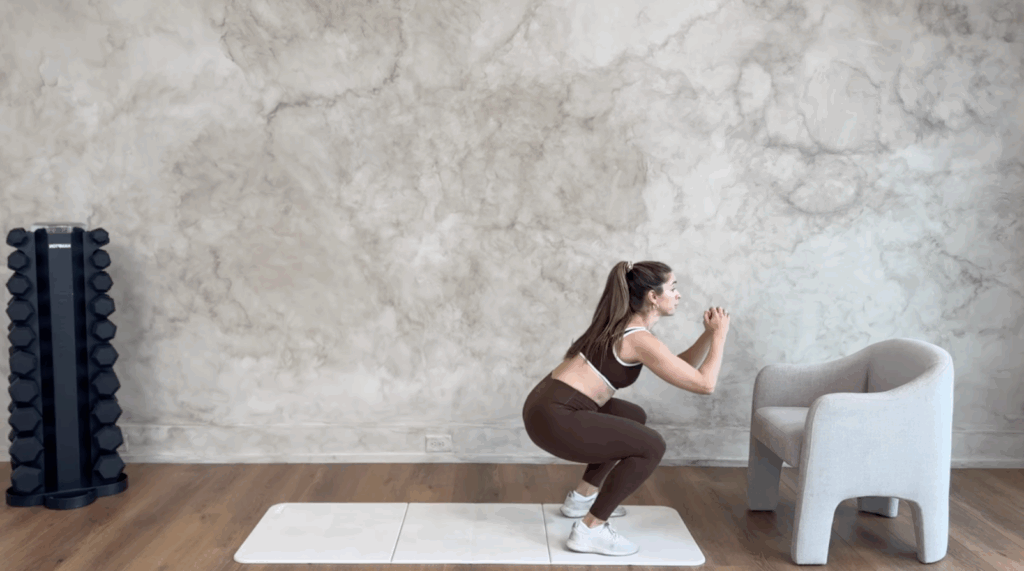
Goal: Complete these five impact-based movements without pelvic floor symptoms.
Running introduces repeated impact to your legs, hips, core, and pelvic floor. These drills let you test how your body handles low- to moderate-impact movements before progressing to full running:
- Single-Leg Balance: Stand tall on one leg for 10 seconds. Keep your spine long and stable, feeling grounded through your foot.
- Jog in Place: Light jog with arm swing for 1 minute. Focus on a gentle landing.
- Forward Hops: Perform 10 soft forward hops, landing lightly and absorbing impact through your legs.
- Bilateral Hops: Hop in place for 1 minute with heels slightly lifted and ribs stacked over your pelvis.
- Single-Leg Hops: Hop on one leg for 1 minute, staying tall and centered through your spine.
If you notice wobbling, pain, or pelvic floor symptoms, pause running for now and continue building control and impact tolerance. Think of these movements as your body’s “check engine light,” a chance to address small issues before they become bigger ones.
Check 3: Lower Body Strength
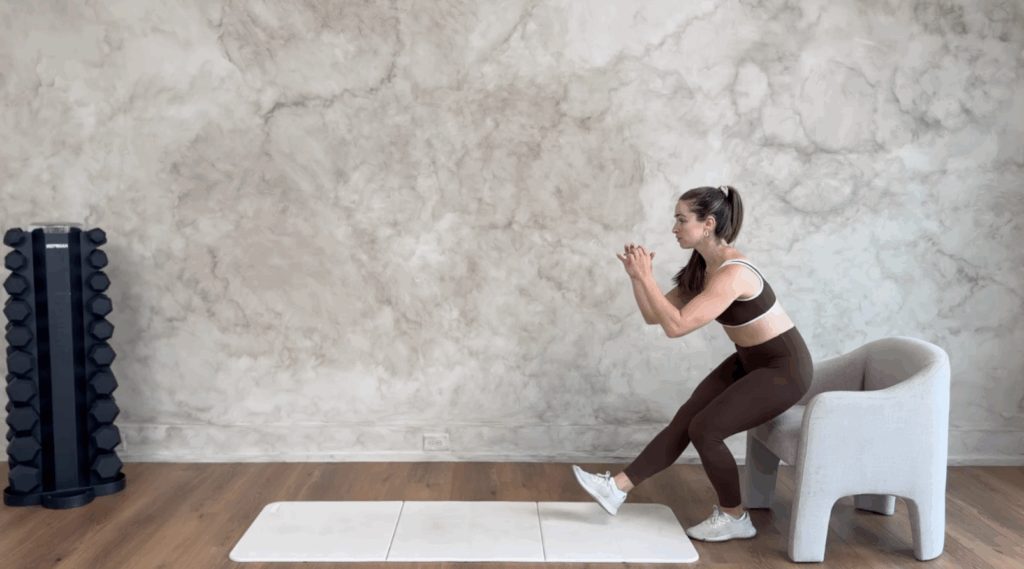
Goal: Perform these foundational strength exercises without symptoms.
Strong legs, glutes, and hips are critical for absorbing the repeated force of running. These exercises also support pelvic stability and prevent compensations that can lead to discomfort or injury:
- Single-Leg Heel Raise: 20 reps per leg, spine tall, slight forward lean to keep ribs stacked over pelvis.
- Single-Leg Squat to Chair: 10 reps per leg, lightly touching the chair, exhale on the way up while engaging your core.
- Single-Leg Running Man: Stand on one leg, extend opposite arm and leg, then bring knee to chest and hand to shoulder. 10–12 reps per side. Maintain deep core engagement and three points of foot contact (big toe, pinky toe, heel).
- Single-Leg Glute Bridge: 20 reps per leg, exhale to lift hips, pressing through all points of contact and keeping the core engaged.
- Side-Lying Hip Abduction: 20 reps per side, lifting the leg slightly behind the plane of your body. Keep the core engaged and avoid lifting too high to protect your lower back.
If these feel smooth and controlled, your legs are better equipped to handle the repetitive loading of running. If not, spend more time building strength before returning to impact.
Check 4: Core Strength & Pressure Control
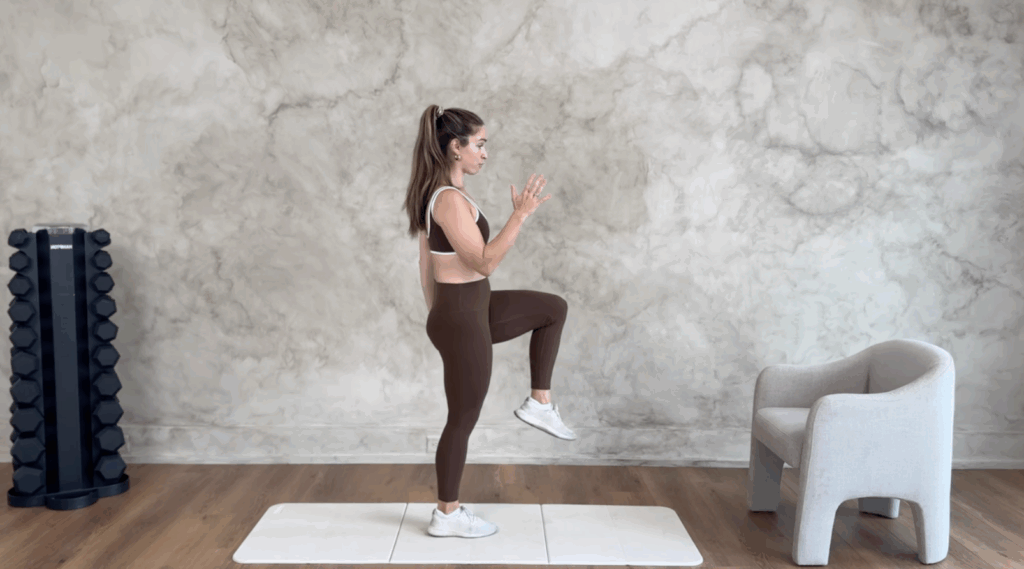
Goal: Complete core exercises without doming, coning, or feeling pressure in your pelvic floor.
Running challenges your core and pelvic floor to manage internal pressure with each stride. Practicing these exercises helps you assess control:
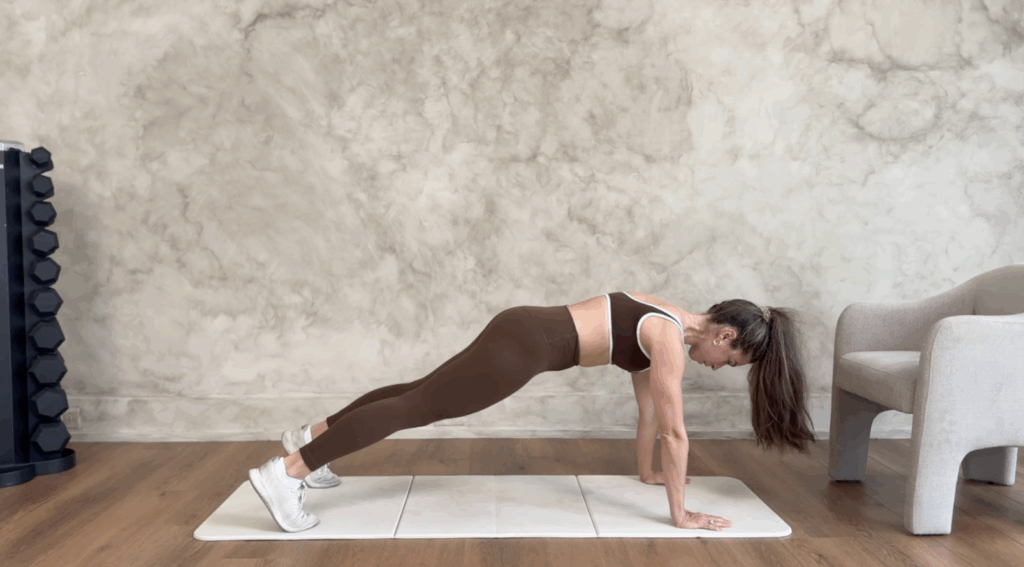
- Front Plank: Hold for 1 minute, shoulders over wrists, feet hip-width apart, deep core engaged. Watch for midline doming.
- Side Plank: Hold 30 seconds per side on forearm, hips lifted, core zipped up.
These drills train your body to handle intra-abdominal pressure safely, creating a stable base for running. If you notice bulging or discomfort, continue core and pelvic floor training before progressing to running.
Check 5: Pelvic Floor Function in Standing
Goal: Perform three types of pelvic floor contractions without symptoms.
Your pelvic floor supports your organs, stabilizes your core, and absorbs impact from running. These contractions test both strength and control:
- Quick Flicks: Contract and lift the pelvic floor quickly, then fully relax. Imagine picking up a flat piece of tissue or scooping like a claw machine.
- Maximum Contractions: Lift as hard as possible for 6–8 seconds, 8–12 reps. Avoid tucking or squeezing glutes – movement should be invisible.
- Endurance Hold: Submaximal lift (30–50% effort) held for 60 seconds.
Never hold your breath during these exercises. If you must, it’s a sign your pelvic floor isn’t ready for running yet.
When You’re Ready to Run
If you pass all five readiness checks, congratulations! You can begin returning to running, but take it slow and intentional:
- Wait at least 12 weeks postpartum to allow healing and foundational strength.
- Start with walk-jog intervals (e.g., 3 minutes walking, 1 minute jogging, repeated 8 times).
- Focus on listening to your body, tracking symptoms, and adjusting pace, distance, or duration as needed.
Even if everything feels good, ease and gradual progression are key. This approach helps protect your pelvic floor and prevent setbacks.
Not Ready Yet? Focus on the Foundation
If you didn’t pass the checklist, that’s completely okay. Postpartum recovery is a process, not a race. Spending a few months building core, pelvic floor, and lower body strength now will pay off in the long run, making your eventual return to running safer and more enjoyable.
If you’d like a structured, supportive approach to return to running, the Movement Through Early Postpartum program provides guided workouts that help you:
- Reconnect with your pelvic floor and core
- Rebuild full-body strength
- Gradually progress toward impact tolerance and running
Each session is designed to feel like I’m guiding you personally, with modifications to fit your pace and recovery.
Leave a Reply
the Hughes News
Join my weekly newsletter,